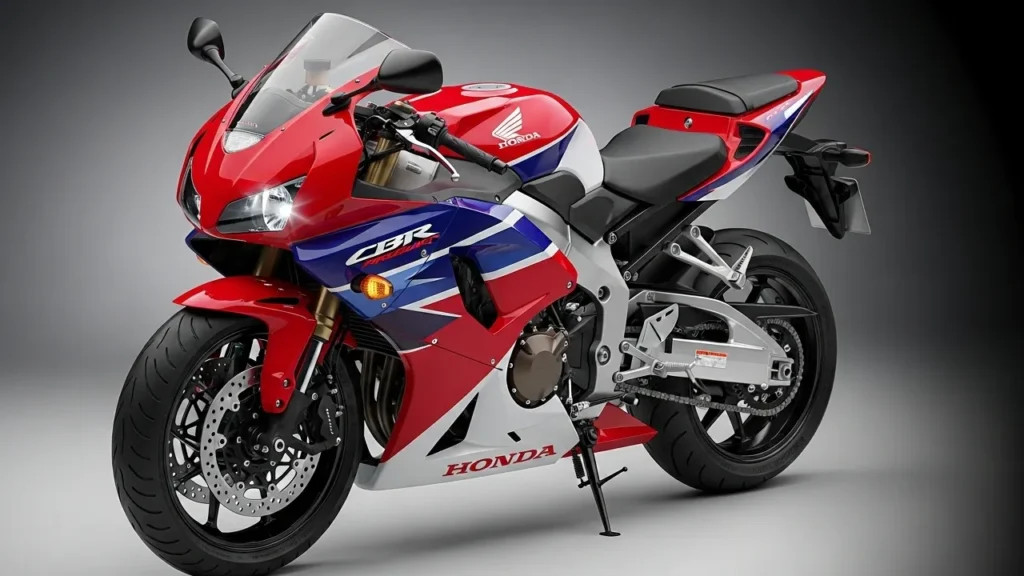
The Honda CBR900RR Fireblade name carries enormous weight in the world of performance motorcycles. First introduced in the early 1990s, the Fireblade redefined what a superbike could be by prioritizing light weight, sharp handling, and rider confidence over brute engine size. Now, according to industry discussions and concept-level expectations, Honda is preparing a nostalgic yet forward-looking revival in the form of the 2025 CBR900RR Fireblade.
This modern interpretation is widely viewed as a tribute to Honda’s original engineering philosophy rather than a replacement for the existing liter-class superbikes. The idea behind the 2025 Fireblade is balance—combining modern electronics, refined materials, and track-focused dynamics while keeping the spirit of the original machine alive.
The Legacy That Shaped the Superbike Segment
When the original Honda CBR900RR Fireblade (1992) debuted, it challenged the industry by proving that lighter weight and intelligent design could outperform larger, heavier rivals. Designed under the leadership of visionary engineer Tadao Baba, the Fireblade delivered exceptional agility without sacrificing real-world performance.

Over the years, the Fireblade evolved into the CBR1000RR series, becoming a dominant presence in global racing and performance riding. The rumored 2025 CBR900RR Fireblade is expected to reconnect with that original formula—offering a middle ground between middleweight sportbikes and full liter-class machines.
Engine Philosophy: Performance Without Excess
Rather than chasing extreme horsepower figures, the expected 919cc inline-four engine is designed to deliver smooth, controllable performance across a wide rev range. Reports suggest an output positioned below modern liter bikes but strong enough to satisfy experienced riders who prioritize corner speed and throttle control.
Modern internal components, advanced cooling systems, and refined fuel injection are anticipated to ensure reliability and compliance with global emission standards. The focus remains on delivering usable performance rather than headline-grabbing numbers.
Chassis and Handling: Staying True to the Fireblade DNA
One of the most defining traits of the Fireblade lineage has always been its chassis balance. The 2025 version is expected to use a lightweight aluminum twin-spar frame engineered for rigidity and precise feedback. Combined with a compact wheelbase, the bike aims to deliver predictable handling on both road and track.
High-quality suspension components from trusted suppliers such as Showa are likely to feature as standard, with an upgraded variant possibly offering electronically adjustable suspension. These elements would allow riders to fine-tune comfort and performance depending on riding conditions.
Braking and Safety Systems
Braking performance is expected to match modern superbike standards. Radial-mounted calipers, large front discs, and a sophisticated cornering ABS system should provide confident stopping power without compromising stability.
Advanced rider aids powered by an inertial measurement unit are anticipated, including traction control, wheelie control, and adjustable engine braking. These systems are designed to support the rider, not replace skill, maintaining Honda’s reputation for intuitive electronic tuning.
Technology Designed for Real Riders
A modern TFT instrument cluster is expected to serve as the command center, offering clear ride data, customizable riding modes, and smartphone connectivity where regulations allow. Features such as a bi-directional quickshifter, ride-by-wire throttle, and cruise control could further enhance long-distance usability.
Unlike overly complex systems found on some high-end sportbikes, Honda traditionally focuses on ease of use, making technology accessible even for riders stepping up from smaller machines.
Aerodynamics and Design Evolution
The visual identity of the 2025 Fireblade is expected to blend classic cues with modern aerodynamics. Sharper bodywork, integrated winglets, and optimized airflow channels would not only improve stability at speed but also reduce rider fatigue during extended rides.
Honda’s signature racing-inspired color schemes, including red-based liveries, are likely to return, reinforcing the Fireblade’s deep connection to motorsport heritage.
Expected Specifications Overview
| Engine | Approx. 919cc Liquid-Cooled Inline-Four |
| Transmission | 6-Speed with Quickshifter |
| Frame | Aluminum Twin-Spar |
| Suspension | Showa Front & Rear (Electronic option expected) |
| Brakes | Dual Front Discs with Cornering ABS |
| Electronics | Traction Control, Riding Modes, IMU Support |
| Estimated Weight | Under 200 kg (Wet) |
Positioning in Today’s Sportbike Market
The 2025 Honda CBR900RR Fireblade is expected to appeal to riders who want more excitement than a middleweight sportbike but do not require the extreme performance or cost of modern liter-class machines. Its balance-focused approach could make it especially attractive for track-day enthusiasts and experienced road riders.
By focusing on agility, reliability, and refined performance, Honda appears poised to deliver a motorcycle that honors its heritage while remaining relevant in today’s competitive market.
Final Verdict
The anticipated return of the CBR900RR Fireblade is less about nostalgia and more about philosophy. It represents a reminder that performance is not solely defined by peak numbers but by how confidently a motorcycle connects rider, machine, and road.
If launched as expected, the 2025 Fireblade could stand as a thoughtful alternative in the superbike segment—modern, refined, and unmistakably Honda.
Frequently Asked Questions
Is the 2025 Honda CBR900RR Fireblade officially confirmed?
Honda has not released full production details yet, and current information is based on industry expectations and concept discussions.
Who is this bike best suited for?
Experienced riders looking for a balanced sportbike that emphasizes handling and real-world performance.
Will it replace the CBR1000RR?
No, it is expected to complement Honda’s lineup rather than replace existing liter-class models.
Is it suitable for daily riding?
If launched with Honda’s typical ergonomics and tuning, it should be more usable than many extreme superbikes.

Hi, I’m Kamran Khan, the author and founder of Bizzi. I created this website to share genuine, easy-to-understand information about smartphones, technology, and automobiles. I enjoy researching the latest trends, testing new devices, and helping readers discover useful, practical insights before making any purchase. My goal is to publish high-quality, original content that adds real value to people’s daily tech and auto decisions.